
Managing HOA properties effectively requires meticulous planning, especially when it comes to maintenance. A well-structured maintenance schedule not only ensures that the property stays in excellent condition but also helps avoid costly repairs, keeps residents happy, and complies with legal requirements. This step-by-step guide will help you create a comprehensive HOA property maintenance schedule for 2025.
Why Is HOA Maintenance Planning Important?
Proactive maintenance planning is essential for:
- Preventing Unexpected Costs: Addressing issues before they escalate saves time and money.
- Improving Property Value: Regular upkeep maintains the aesthetic and functional quality of your properties.
- Ensuring Resident Satisfaction: Well-maintained spaces improve the quality of life for residents.
- Staying Compliant: Regular inspections and repairs ensure compliance with laws like SB326 in California.
Step-by-Step Guide to Create Your 2025 Maintenance Schedule
Step 1: Assess Your Property’s Needs
Begin by evaluating the current condition of all assets within your HOA properties. This includes:
- Common Areas: Pools, clubhouses, gyms, and lobbies.
- Building Exteriors: Roofing, siding, and balconies.
- Landscaping: Trees, lawns, irrigation systems, and lighting.
- Mechanical Systems: HVAC, elevators, plumbing, and electrical systems.
Pro Tip: Use property management tools to document issues, track maintenance history, and prioritize tasks.
Step 2: Define Maintenance Tasks
Categorize tasks into routine, preventive, and emergency maintenance:
- Routine Maintenance: Tasks performed regularly, such as cleaning common areas, landscaping, and pest control.
- Preventive Maintenance: Inspections and minor repairs to prevent larger issues, like checking HVAC systems or sealing cracks.
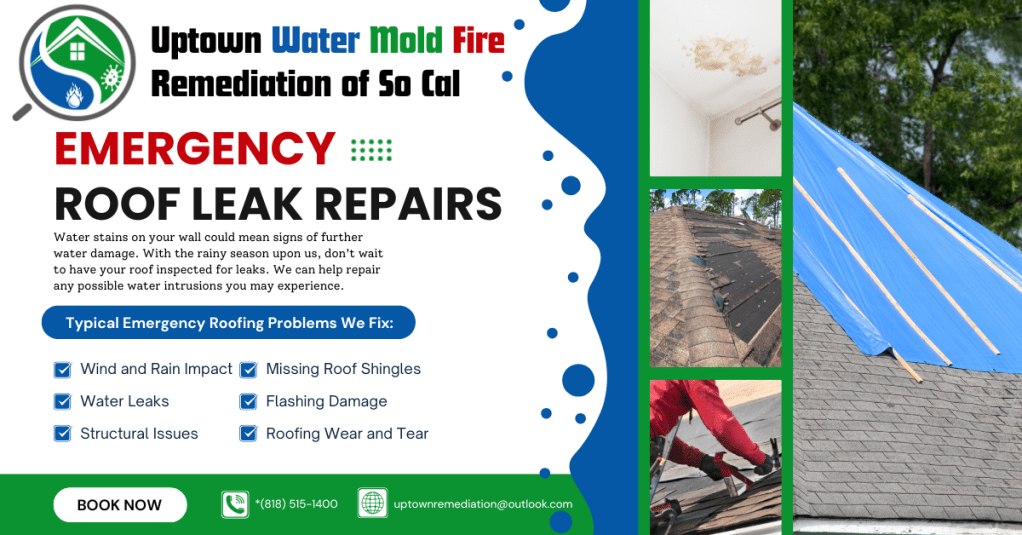
- Emergency Maintenance: Preparing for unpredictable problems, such as leaks or storm damage.
Example Tasks:
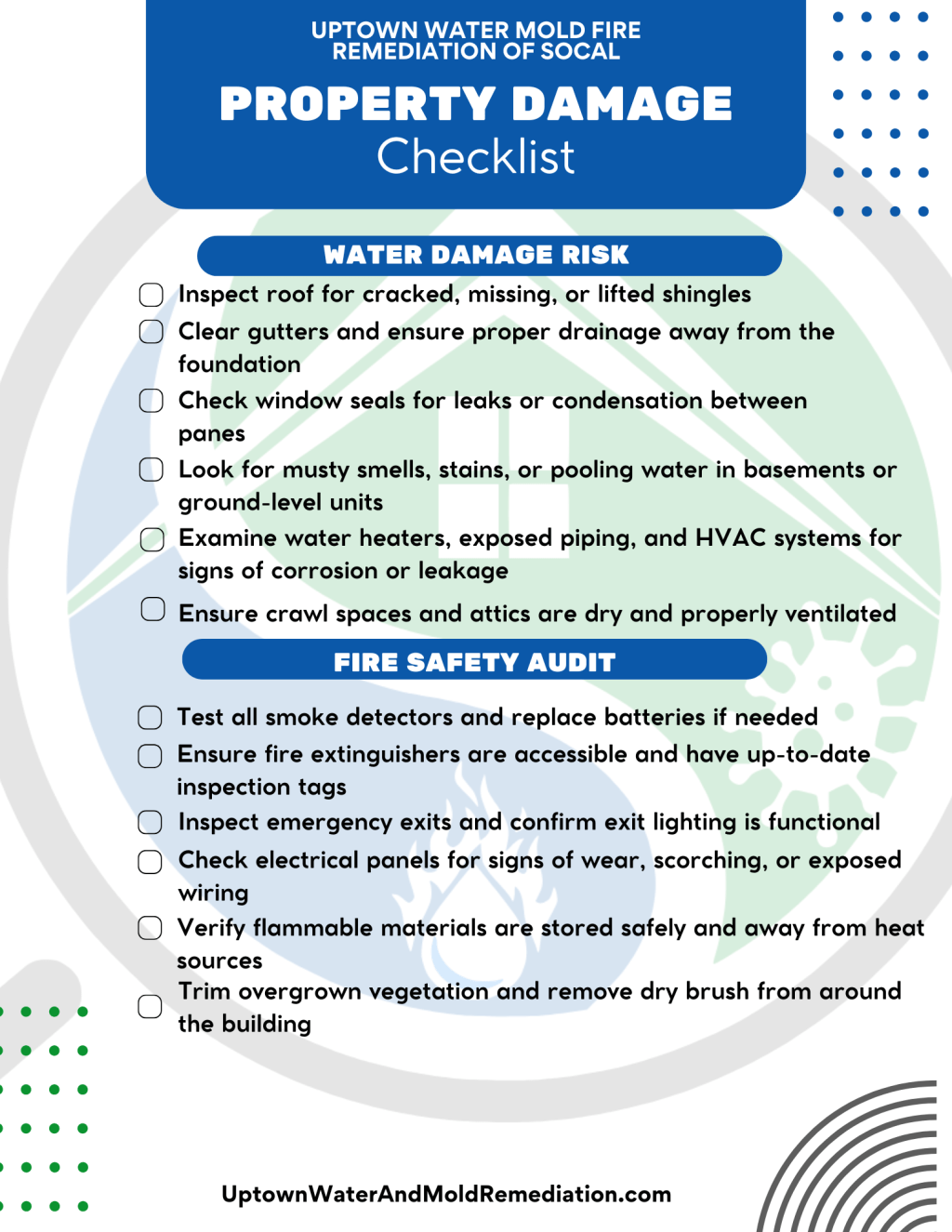
- Monthly: Inspect and clean gutters.
- Quarterly: Check HVAC systems and fire alarms.
- Annually: Conduct balcony inspections to comply with SB326 regulations.
Step 3: Establish a Timeline
Create a month-by-month calendar to ensure tasks are evenly distributed throughout the year. Consider seasonal factors:
- Winter: Focus on roof inspections and preparing for rain-related issues.
- Spring: Schedule landscaping updates and pool inspections.
- Summer: Inspect HVAC systems to handle increased usage.
- Fall: Clear gutters, prepare for rainy seasons, and conduct major repairs.
Pro Tip: Use a digital calendar or property management software to share schedules with the HOA board and vendors.
Step 4: Allocate Budget and Resources
Determine how much funding is needed for each task and ensure the HOA’s budget aligns with your plans. Key considerations include:
- Vendor costs for landscaping, pest control, and specialized inspections.
- Reserves for emergency repairs.
- Long-term investments in capital improvements (e.g., balcony repairs, roof replacements).
Pro Tip: Review historical maintenance costs to anticipate expenses.
Step 5: Partner with Reliable Vendors
Identify trusted vendors and contractors for specific services, such as:
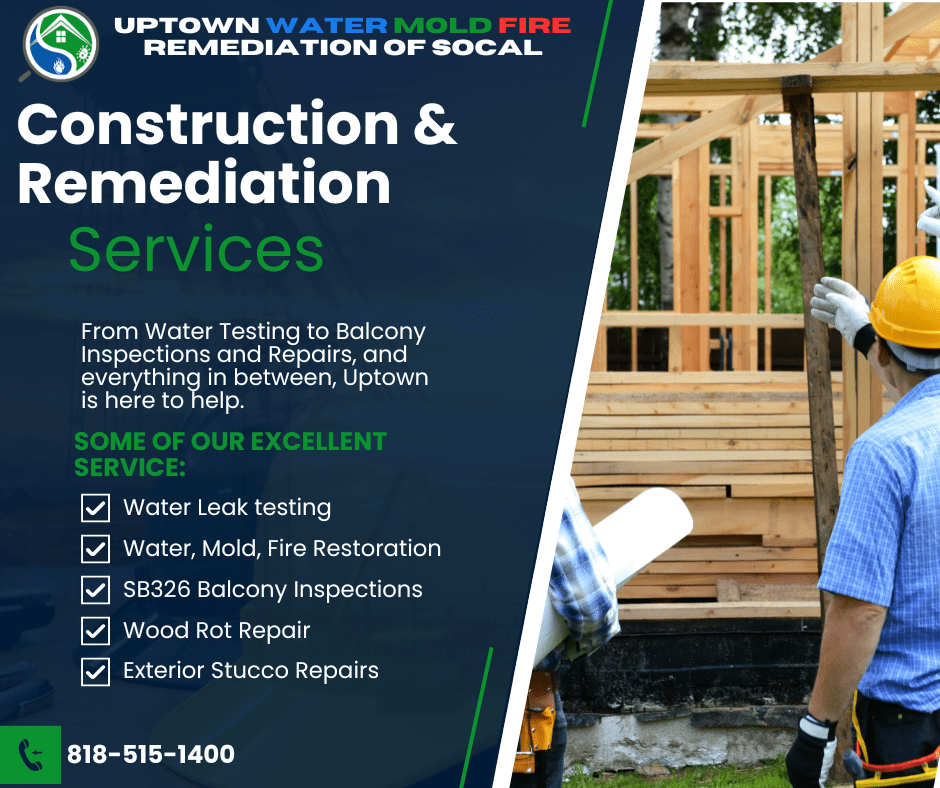
- Water and Mold Remediation: Partner with specialists to handle leaks or mold growth.
- Balcony Inspections and Repairs: Ensure SB326 compliance with experienced professionals.
- General Construction Services: Hire contractors for major repairs or upgrades.
Maintain a list of emergency contacts for quick response during urgent situations.
Step 6: Communicate with HOA Members
Keep residents informed about upcoming maintenance tasks to avoid surprises. Use:
- Newsletters: Send monthly updates with planned activities.
- Online Portals: Post schedules and progress reports.
- Notices: Place physical notices for tasks like inspections or repairs requiring access to units.
Step 7: Monitor and Adjust
Regularly review your maintenance schedule and adjust as needed based on unforeseen circumstances or new priorities. Schedule quarterly meetings with the HOA board to:
- Review completed tasks.
- Identify new issues.
- Adjust the budget or schedule accordingly.
Pro Tip: Leverage property management tools to generate reports and track progress.
Essential Tools for HOA Maintenance Planning
- Property Management Software: Tools like Buildium or AppFolio help track tasks, manage budgets, and streamline communication.
- Inspection Apps: Use mobile apps to conduct and record property inspections.
- Maintenance Calendars: Online calendars ensure tasks are evenly distributed throughout the year.
Conclusion
A well-organized HOA maintenance schedule is vital for keeping your properties in top condition and ensuring resident satisfaction. By following this step-by-step guide, you can stay ahead of potential issues, optimize your budget, and streamline operations in 2025.
Need professional assistance? Uptown Water and Mold Remediation offers services tailored to HOA needs, including building leak inspections, water and mold remediation, SB326 balcony inspections, and general construction. Contact us today to learn more about how we can support your property maintenance goals!
Ready to streamline your HOA maintenance planning for 2025? Don’t let unexpected issues catch you off guard! Contact Uptown Water and Mold Remediation today to schedule building leak inspections, water and mold remediation, SB326 balcony inspections, and more. Let us help you protect your properties and keep your residents happy this year.
📞 Call us at [818-515-1400]
✉️ Email us at uptownwaterandmoldremediation@outlook.com
Get started now and ensure your HOA properties are in the best shape possible for 2024!


 Uptown Water Mold Fire Remediation of Agoura Hills