
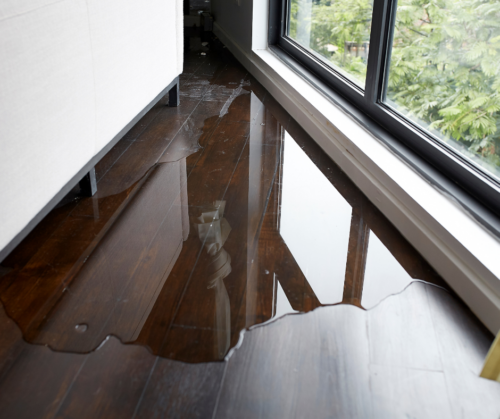
Detecting Leak Symptoms
Learn More
How to Detect a Leak in Your Home: Simple Steps to Prevent Water Damage
- Check Your Water Meter: Turn off all faucets and appliances that use water. Then, check your water meter. If the meter is still running, you likely have a hidden leak. This is one of the most reliable ways to detect water leaks in your home.
- Look for Signs of Water Damage: Keep an eye out for water stains, discoloration on walls or ceilings, peeling paint, and warped flooring. These are common indicators of leaks, especially in areas like bathrooms and kitchens.
- Listen for Unusual Sounds: A persistent dripping or hissing sound, even when water is not in use, may signal a leak behind walls or under floors.
- Inspect Your Water Bill: An unexplained increase in your water bill without a corresponding change in usage could indicate a hidden leak. Compare bills month over month to detect any unusual spikes.
- Test Toilets and Faucets: Add food coloring to the toilet tank and wait 10 minutes. If color appears in the bowl without flushing, there’s a leak. Also, check under sinks and around faucets for drips or moisture.
- Check Outside: Don’t forget to inspect exterior faucets, hoses, and irrigation systems for leaks, which can lead to high water bills and yard damage.
For persistent or hidden leaks, contact a professional for a leak inspection. Uptown Water and Mold Remediation offers expert leak detection and repair services to help homeowners prevent water damage.
Our Restoration Process
Learn More
At Uptown Water and Mold Remediation, we strictly follow industry standards and local regulations to ensure a safe and effective restoration process. Our top priority is the health and safety of your family or occupants while we restore your property to its pre-damage condition. Below is a breakdown of the comprehensive restoration services we offer, including:
- The process begins with a thorough assessment of the affected area. Certified technicians inspect the extent of water damage and mold growth, identifying the source of the issue.
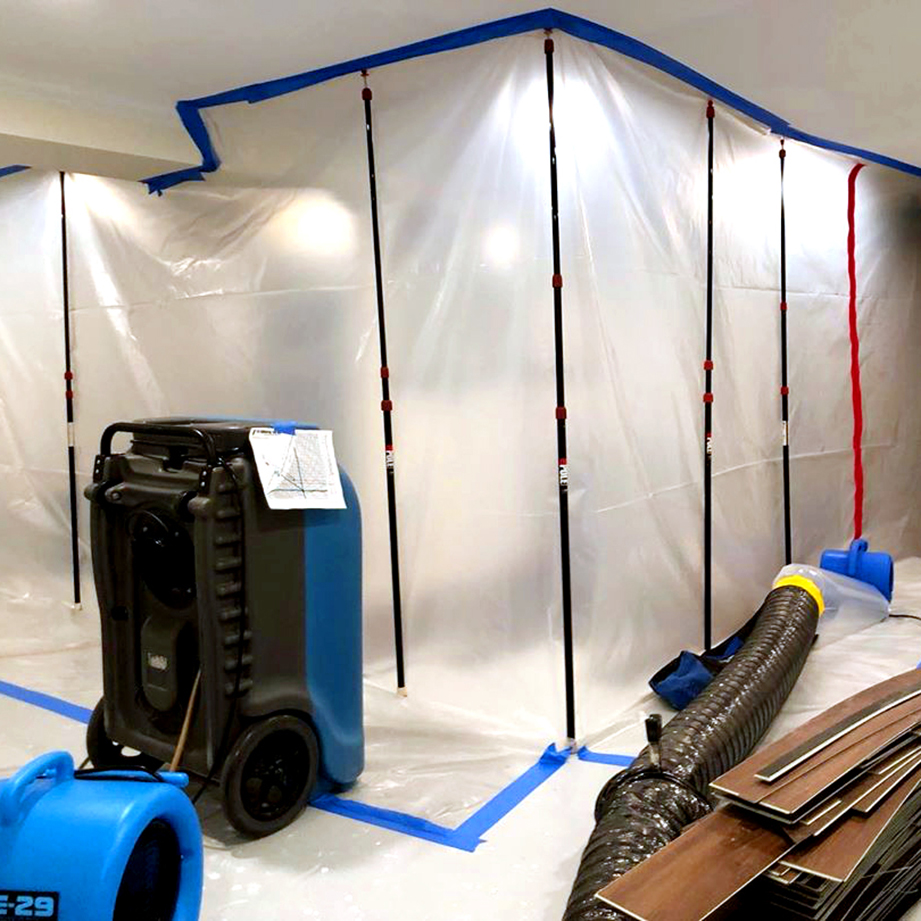
- To prevent the spread of mold spores to unaffected areas, the team establishes containment measures.
- The first step in water damage removal is the extraction of standing water. Powerful pumps and vacuums are used to remove excess water from the affected areas, preventing further damage.
- Once water is extracted, the drying process begins. Industrial-grade air movers and dehumidifiers are strategically placed to eliminate remaining moisture from walls, floors, and other structural elements.
- Irreparably damaged materials, such as wet drywall or carpeting, are removed to facilitate thorough drying and prevent mold growth.
- Certified mold remediation specialists use industry-standard protocols to remove mold safely. This involves the careful removal and disposal of contaminated materials and the application of antimicrobial treatments to prevent regrowth.
- The entire affected area is cleaned and sanitized using specialized cleaning agents.
- With the affected area now mold-free and dry, the restoration process begins.
- After completing the removal and restoration process, conduct post-remediation testing.
Tools and Equiptment
Learn More
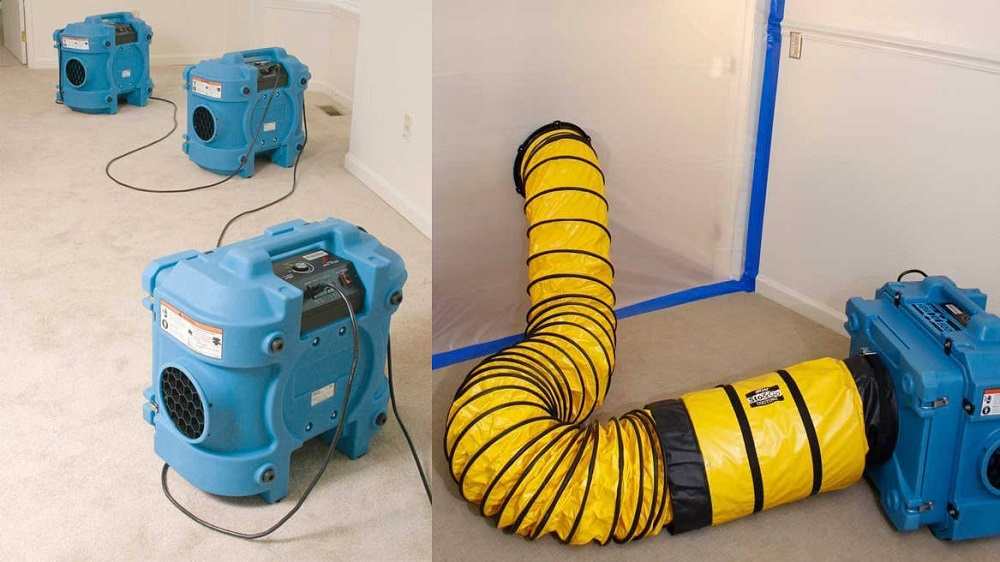
Our commitment to excellence is reflected in every step of the process, utilizing state-of-the-art technology to deliver unparalleled results. The equipment we use include:
- Advanced Moisture Detection Devices
- Industrial-Grade Air Movers and Dehumidifiers
- HEPA Filtration Systems
- Moisture Meters
- Adhesion Pull Tester
- Infared Scanning
- Tramex Roof / Wall Scanner
 Uptown Water Mold Fire Remediation of Agoura Hills